

Building a new home should be an exciting experience. After months, and often years, of planning, saving, and making decisions, most homeowners expect the finished product to be a place they can enjoy with confidence.
But for many people, that excitement starts to fade once defects and workmanship issues begin appearing, especially after construction has been completed.
At Houspect, we are increasingly receiving more and more enquiries from homeowners asking us to investigate issues 6–12+ months after their home has been completed because problems have started to emerge after moving in.
In many cases, the owners believed everything looked fine at handover. Then slowly, issues began appearing:
- Cracking on the walls and ceilings
- Water leaks during rain
- Waterproofing failures in bathrooms
- Uneven floors
- Doors sticking or failing to close properly
- Defective finishes and poor workmanship are becoming more obvious over time
The common frustration we hear is:
“We wish we had arranged inspections during the build.” Or “We wish we had known you could have inspections during the build.”
Unfortunately, by the time problems become visible after handover, many of the critical construction stages are already concealed behind plasterboard, tiles, insulation, or finishes — making defects harder to investigate and often far more expensive to repair.
The Biggest Misconception About Building a New Home
One of the most common assumptions homeowners make is that a new build should automatically be defect-free because it is brand new.
Many people also assume:
- The builder’s supervisor will catch any issues
- Defects will automatically be fixed later
- New homes should not need independent inspections
- Raising concerns may create conflict with the builder
- Having independent inspections will slow the build down
While builders generally do conduct internal checks, the reality is that modern construction schedules are often fast-paced and heavily pressured by timeframes, labour shortages, and trade availability. Site supervisors often manage multiple projects simultaneously, and defects can sometimes be missed as work progresses rapidly from one stage to the next. This is not through lack of care; it is due to being human and busy.
Even good builders can experience workmanship issues when trades are rushed or defects are overlooked during construction.
That is why independent inspections have become increasingly important as well as more popular for homeowners wanting greater oversight and peace of mind throughout the build process.
Why Waiting Until Handover Can Be a Costly Mistake
One of the most common misconceptions homeowners make is waiting until the Pre-Handover stage or until after moving in to organise an inspection.
While Pre-Handover inspections are still extremely valuable, many major construction components are no longer visible by this stage.
For example:
- Structural framing is hidden behind plasterboard
- Waterproofing is concealed beneath tiles
- Slab-related concerns are affecting the flooring levels
- Roofing defects may not become obvious until severe weather occurs
- Service penetrations and installation issues may already be covered
Once defects are concealed, rectification becomes significantly more difficult and costly, not just in monetary terms but in stress levels too.
When homeowners contact us 6–12 months after completion, we often find ourselves investigating issues that may have been visible much earlier during construction stages, before the work was covered up.
That is exactly why staged inspections throughout the build are so important.
The Value of Independent Stage Inspections
Independent inspections provide homeowners with an unbiased assessment of workmanship and visible construction issues before work progresses too far.
Rather than relying solely on the builder’s internal quality control process, homeowners gain an additional set of experienced eyes reviewing the project at key stages.
This helps:
- Identify visible issues early
- Reduce the risk of concealed defects
- Create documented records during construction
- Allow rectification before the next stage begins
- Provide greater confidence throughout the build
Most importantly, defects identified early are usually simpler and less costly to address.
Common Issues Found During Construction
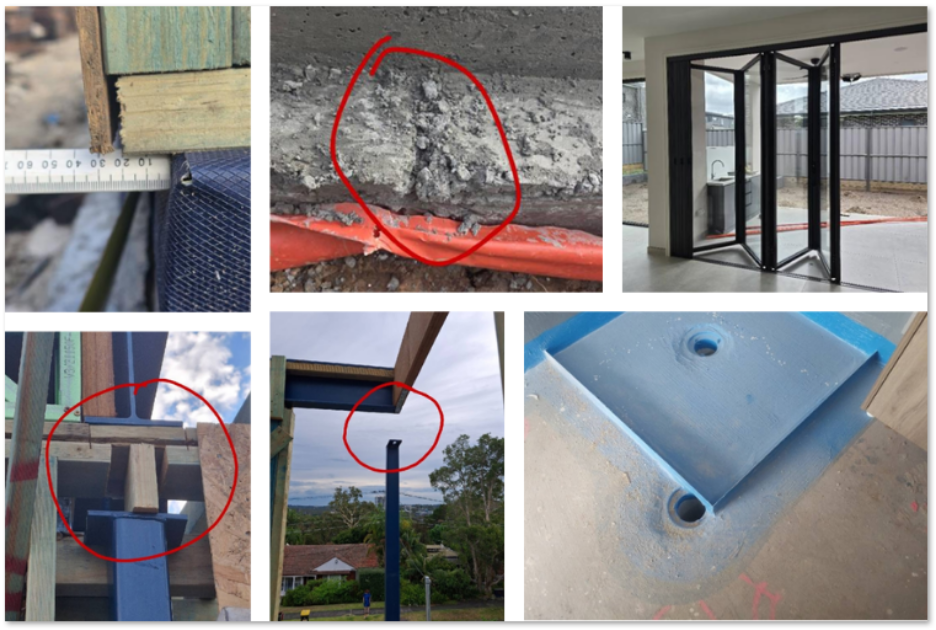
At Houspect, we regularly identify concerns during inspections that homeowners would likely never notice themselves during a standard site visit.
Post Slab Pour Inspection
The slab is a key component of the entire build and is worthy of an inspection. Problems here can impact the rest of the home long-term.
Common concerns can include:
- Cracking
- Honeycombing
- Poor finishing
- Incorrect penetrations
- Non-compliant step-downs
Addressing these issues early can help prevent ongoing movement and flooring problems later.
Framework & Roof Truss Inspection
This stage is important because the structural frame is still entirely visible, and much of the slab is still visible, so we are able to follow up on previous defects identified.
Common defects at this stage may include:
- Damaged or altered trusses
- Missing bracing
- Inadequate fixings
- Structural movement concerns
Once plasterboard is installed, many of these issues become hidden permanently.
This is also one of the inspections homeowners most commonly regret skipping after defects emerge later in the build.
Pre-Lining Inspection
The pre-lining stage is a stage Houspect consider to be one of the more critical stages as it is the final inspection of internal construction details before the walls are covered up.
Potential concerns may include:
- Unrectified frame and slab defects
- Poor framing alignment
- Poor workmanship of framing or brickwork
- Non-compliant installation details
This inspection helps ensure earlier concerns have actually been addressed before the build progresses.
Waterproofing Inspection
Waterproofing failures are among the most expensive defects homeowners experience after moving in.
At Houspect, many of the post-handover investigations we undertake involve bathroom leaks or water-related damage that only became obvious months after completion.
Common waterproofing concerns can include:
- Incomplete membrane coverage
- Poor sealing around penetrations
- Non-compliant installation methods
Once tiling is complete, these systems are no longer visible – meaning repairs can become invasive and costly.
Pre-Handover Inspection
A Pre-Handover inspection helps identify visible workmanship issues before final payment is made.
Common findings often include:
- Paint defects
- Damaged finishes
- Poor tiling
- Chipped bricks or poorly laid brickwork
- Non-compliant drainage systems – downpipes and guttering
- Incomplete silicone sealing
- Misaligned cabinetry and doors
This gives homeowners a clearer understanding of the property’s condition before taking possession.
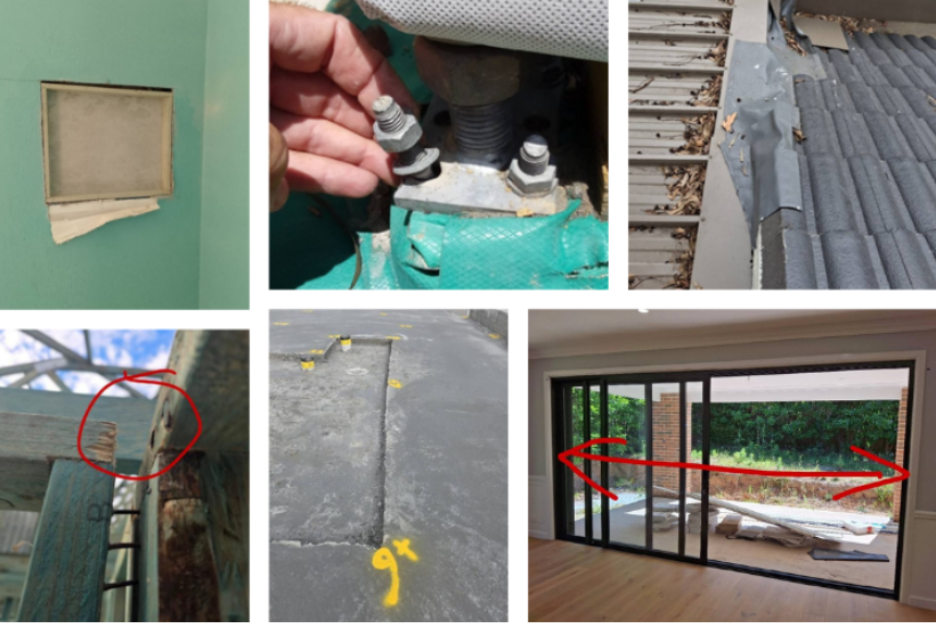
The Emotional Toll of Building Defects
While defects can be financially costly, many homeowners say the emotional stress is even worse.
Building a home is supposed to be exciting. Instead, many people find themselves dealing with:
- Ongoing disputes with builders
- Delayed rectification works
- Concerns about hidden defects
- Stress during warranty periods
- Anxiety about future repair costs
For homeowners contacting us months after handover, the most difficult part is often wondering whether the issue could have been prevented if it had been identified earlier during construction.
How Houspect Can Help
At Houspect, our inspections are designed to help homeowners better understand the condition of their build at critical stages throughout construction.
We offer staged inspections, including:
- Post Slab Pour
- Framework & Roof Trusses
- Pre-Lining
- Waterproofing
- Pre-Handover
Our reports aim to clearly identify visible workmanship and construction concerns so homeowners can raise issues before they become concealed or more difficult to rectify later.
Independent inspections are not about creating conflict with builders; they are about helping homeowners protect one of the biggest investments they will ever make.
Don’t Wait Until Problems Start Appearing
Many homeowners only realise the value of independent inspections after defects start appearing months after handover.
By then, repairs can be more expensive, more disruptive, and far more stressful.
Independent staged inspections help provide visibility throughout the build process and can assist in identifying concerns before they become hidden behind completed finishes.
If you are currently building and want greater confidence throughout your project:
