

If you’re arranging a building inspection in NSW today, you might assume the industry is tightly regulated — after all, you’re trusting someone to assess one of the biggest financial decisions of your life.
What many homeowners don’t realise is that building inspections in NSW were once far more regulated than they are today. Understanding what changed — and what hasn’t — can help you make a more informed decision when choosing an inspector.
The Pre-2009 “Gold Standard” for Building Inspectors
Prior to 16 September 2009, residential building inspections in NSW (legally referred to as building consultancy work) were regulated under the Home Building Act 1989.
Anyone charging a fee to conduct pre-purchase or building inspections was required to hold a
Building Consultancy Licence issued by NSW Fair Trading. This licence wasn’t easy to obtain — and that was intentional.
The goal was simple: ensure inspectors had deep, practical construction knowledge and were accountable to a governing body.
Mandatory Qualifications
To qualify for a Building Consultancy Licence, inspectors typically had to be recognised professionals in the construction industry, such as:
- Licensed Builders holding a current NSW contractor licence
- Registered Architects
- Building Surveyors or Engineers with formal tertiary qualifications
In other words, inspectors were required to have hands-on experience designing, constructing, or certifying buildings — not just inspecting them.
Proven Industry Experience
Qualifications alone weren’t enough. Applicants also had to demonstrate years of industry experience.
For licensed builders, this often meant 2–5 years of active experience as a licensed contractor before they could even apply for consultancy status.
Inspectors were also expected to show comprehensive technical knowledge of:
- The Building Code of Australia (BCA)
- Relevant Australian Standards, particularly AS 4349.1 for property inspections
This ensured inspectors could identify not just obvious defects, but subtle construction issues that may indicate deeper problems.
Compulsory Professional Indemnity Insurance
Under the regulated system, Professional Indemnity (PI) insurance was mandatory.
This insurance protected consumers if an inspector failed to identify a major defect or provided negligent advice. Inspectors could not renew their licence without proof of active PI insurance — adding another layer of accountability.
Character and Compliance Checks
Inspectors were also required to pass “fit and proper person” assessments, including:
- Criminal record checks
- Financial solvency reviews
- Reviews of any prior disciplinary action by NSW Fair Trading
This reduced the risk of consumers dealing with individuals who had a history of fraud, poor workmanship, or regulatory breaches.
What Changed After September 2009?
On 16 September 2009, the NSW Government repealed the Building Consultancy Licence as part of a COAG (Council of Australian Governments) initiative aimed at reducing “red tape” and harmonising occupational licensing across Australia.
From that point forward:
- No specific licence was required to perform building inspections for a fee
- There were no mandated qualifications or experience levels
- Professional Indemnity insurance became recommended, but not legally required
In effect, the industry moved to a buyer-beware model.
A Side-by-Side Comparison
| Requirement | Pre-2009 (Regulated) | Post-2009 (Current) |
| Licence Required | Yes – Building Consultancy Licence | No |
| Minimum Qualifications | Builder, Architect, Surveyor | None mandated |
| Experience | Multi-year industry track record | Not defined |
| PI Insurance | Compulsory | Optional |
| Oversight | NSW Fair Trading | Self-regulated |
Why Houspect Believes This Still Matters Today
The removal of regulation doesn’t mean all inspectors are unqualified — but it does mean the responsibility now sits with the consumer to check credentials.
Some inspectors enter the industry after completing short courses, with limited site experience.
Others, like those at Houspect, continue to operate to the pre-2009 standards because:
- Our Insurers require it
- Industry associations demand it
- More importantly, you our client deserves it
How Houspect Approaches Building Inspections
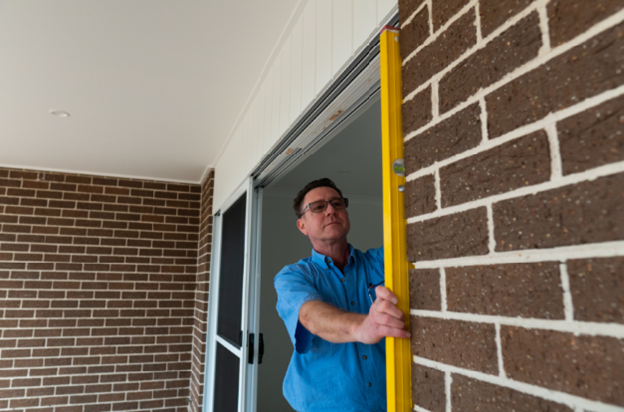
At Houspect, we believe inspections should be carried out by professionals who genuinely understand how buildings are designed, constructed, and where they commonly fail.
That’s why our inspections are conducted by licensed builders with real on-site experience, supported by:
- Comprehensive Professional Indemnity and Public Liability insurance
- A working knowledge of the BCA and Australian Standards
- Clear, defensible reporting — not vague observations
We don’t just assess whether something scrapes through compliance. We assess whether it’s been built properly, in line with reasonable expectations for a new or existing home.
The Takeaway for Homeowners and Builders
The biggest change since 2009 isn’t how buildings are inspected — it’s who is allowed to do the inspecting.
Before you engage an inspector, ask:
- What construction experience do you have?
- Are you a licensed builder?
- Do you carry Professional Indemnity insurance?
- What standards do you inspect against?
Because when regulation steps back, due diligence matters more than ever.


